What should a worker distress alert include?
A worker distress alert should identify who is in trouble, where they are, what happened, and what kind of help is needed. The fastest response usually starts with a clear SOS signal, a current location, two-way voice or another way to confirm the situation, and an alert type that tells the response team whether this is a fall, a man down event, or a general emergency.
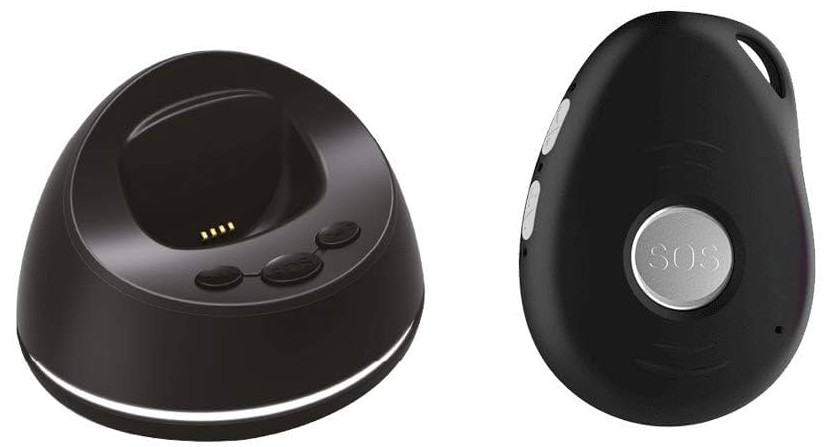
A wearable lone worker alarm can send a lot more than a simple button press. The useful part is not the volume of data, it is whether the information arrives in a form that another person can act on. In a New Zealand workplace, where staff may move between a remote worksite, a vehicle, a shed, or an urban address, the alert needs to make sense quickly.
Start with the person and the location
The first question after an alarm is raised is simple: who and where? The alert should include the worker identity, the device assigned to them, and the location attached to that device at the time. A name alone may be enough in a small team, but role, site, or shift details can help a response team decide who should attend and what risks may be nearby.
Location data can come from several sources. GPS positioning is often the most useful outdoors, especially when someone is away from buildings or fixed landmarks. WiFi location may help around known indoor areas, while GSM triangulation can give a broader estimate when other signals are weak. Mobile coverage affects how quickly an alert leaves the device and whether voice contact is practical. A good alert does not pretend every method is perfect. It shows the location source and, where possible, the time the position was recorded.
That detail matters because a location can be stale. A worker may have moved after the last position update, or the device may have held onto the previous known point while the person walked into a low signal area. Emergency coordinates are most helpful when they are paired with a timestamp and a clear indication of accuracy. A responder should be able to tell whether the position is a precise point, an approximate area, or a last known position.
Say what kind of distress was detected
Not every alert means the same thing. A manual SOS button press may mean the worker is aware and able to ask for help. A man down alert may suggest the person has stopped moving after a period of activity. Fall detection alerts can point to a sudden impact or change in position. Each of these calls for a slightly different response.
The alert should state the event type in plain language. If a fall is suspected, the response team should not have to infer that from a code. If the alarm was pressed manually, that distinction also matters, because the worker may be able to speak and give directions. When automatic detection is involved, the system should make clear that the event was detected rather than personally confirmed.
Context can be added without turning the alert into a novel. Site name, task type, shift, and known hazards can give responders a head start. For example, a worker in a remote paddock, a cool store, a workshop, or on a night shift faces different risks. The point is not to guess the cause. It is to give the response team enough background to prepare and to ask better questions when contact is made.
Include a way to confirm what is happening
Two-way voice is valuable because it turns an alarm into a conversation. A response team can ask whether the worker is injured, whether the site is safe to enter, and whether emergency services are already needed. Voice can also reveal confusion, breathing difficulty, or distress that a location pin cannot show.
Some situations will not allow a worker to speak. That is why the alert should still stand on its own if voice contact fails. Device status, event type, location, and recent movement information can help the response team judge the level of urgency. If the worker has a phone or radio, that contact detail may also be useful, though the alert itself should not depend on the worker making a second call.
Privacy has a place here too. Location sharing should be tied to the work situation and handled under clear workplace policies. Workers are more likely to trust a system when they know when location is collected, who can see it, and how distress events are recorded. Excessive tracking outside work hours is not needed for an emergency alert and can undermine confidence.

Information that supports help finding workers in remote areas
In remote or isolated work, the smallest details can save time. An alert that includes a map point, a last known route, and the time of the last position update gives a response team a starting point. If the worker usually moves along a fence line, track, boundary, or service route, that pattern can narrow the search area. If the device last reported near a gate, shed, tank, or vehicle, those landmarks can be described in ordinary language.
Reliable help finding workers in remote areas depends on matching location data with local knowledge. A coordinate by itself may mean little to someone who does not know the property. A site description, access note, or agreed meeting point can make the same coordinate useful. The best information is specific enough to act on and short enough to read under pressure.
There are trade-offs. More detail can help responders, but too much detail can slow the alert down or clutter the screen. A practical approach is to put the critical facts first: identity, event type, location, time, and contact route. Supporting details can sit behind that summary for anyone who needs them. The alert should be readable at a glance, not buried in a feed.
What the response team needs to decide
Once an alert arrives, the response team has to make several decisions quickly. Is this an immediate medical emergency? Can the worker be contacted? Is there a safe route to the person? Should emergency services be called, or is an internal response enough? The alert information should support those decisions without forcing the responder to guess.
A clear event label helps set priority. A suspected fall may need urgent medical attention, while a manual SOS may need immediate contact to understand the problem. A man down alert may require a welfare check even when the person cannot answer. Location accuracy and freshness affect the response plan, especially in areas with poor access or changing conditions.
Communication records also matter. If a voice call is attempted, the alert log should show whether contact was made. If messages are sent, their timing can help establish what was known at each stage. This is useful for coordination during the event and for later review. A workplace can learn from the sequence without blaming the worker for imperfect information.
Check the alert before it is needed
The time to test clarity is before an emergency. Workplace checks can confirm that device identifiers match the people carrying them, that alert categories are understood, and that location details appear in a useful format. Staff should know what a normal alert looks like and what happens after one is raised. They do not need to master every setting, but they should understand the basic path from alarm to response.
It is also sensible to review coverage patterns across the places where work happens. Indoor areas, steep terrain, dense vegetation, vehicles, and buildings can affect signals. If an area regularly produces weak location data, a site contact point or a planned check-in routine may be needed alongside the alarm. The technology should support the safety plan, not replace it.
A distress alert is most useful when it answers the first questions without delay. Who needs help, where are they, what happened, and how can they be contacted? Add the time and source of the location, the event type, and enough site context to guide a response team. Keep the main message short and readable. When those pieces work together, a GPS worker alarm becomes part of a practical safety system rather than just a button that makes noise.